
This is a question I often hear from men, not women: ‘Do we still need an International Women’s Day? Haven’t we already achieved equality of the sexes?’ And the classic one: ‘When is International Men’s Day?’ The answer to those questions are: yes, no, and it’s on 19th November.
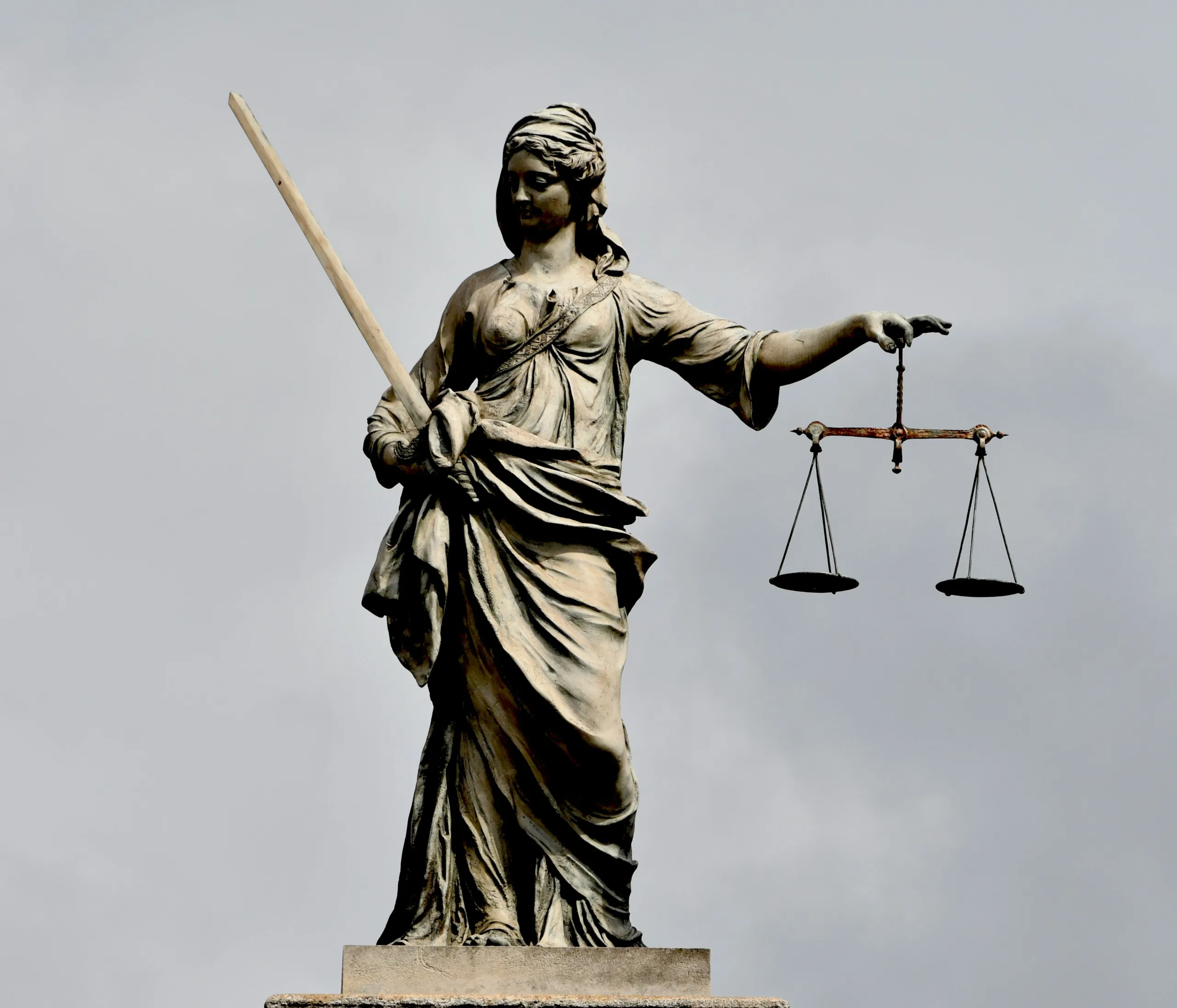
International Women’s Day has been marked on 8th March by the UN each year since 1975 (though it originally started earlier in several countries). Its purpose is to highlight the progress made towards women’s full, equal and meaningful participation in all areas of life, and to focus on the work yet to be done to achieve this. The UN theme for 2026 is ‘Balancing the Scales,’ focusing on women’s equal access to justice and human rights. This links into the UN Commission on the Status of Women theme of ‘Ensuring and strengthening access to justice for all women and girls, including by promoting inclusive and equitable legal systems, eliminating discriminatory laws, policies, and practices, and addressing structural barriers.’
Around the world, women and girls face significant barriers to accessing justice, or they face justice systems that fail to uphold women’s rights, even though they are in the law of the country. Where discriminatory laws remain in place, they are often fuelled by culture and patriarchal norms of society. Women’s lives are threatened when they speak out, putting themselves at risk for simply seeking justice, which is often ignored or met with impunity. This enables, more often than not, men, to get away with abuse, harm, harassment, and sometimes murder. The UN surveyed a number of countries and found that women faced greater barriers to justice than men in 70% of the countries.[1]
The UN Secretary General, Antonio Guterres states in his report to the UN CSW, that:
‘Globally, women have 64 per cent of the legal rights of men, as discriminatory legal frameworks continue to prevail. Globally, 54 per cent of countries lack consent based legal definitions of rape, while 72 per cent allow child marriage in all or some circumstances, an issue that disproportionately affects girls.’
We sometimes think that this doesn’t happen in our own countries, but if we look closely enough at our own laws we will see the gaps. Does your country have a legal right for parental leave for women and men? Can women take paid maternity leave from work? Is there a law on Domestic Abuse? Is there an equal pay law? If laws are there, are they implemented and enforced? Is funding available to the authorities to enact the laws without prejudice, bias and bribes?
As Christians, we are called to uphold the law and to ensure that we are caring for those in need, the suffering, and the abused. It is not enough to say, ‘I am alright, this doesn’t affect me,’ because we are called to care for our neighbour. And who is our neighbour? We know Jesus’ answer to that question. We live in a global community, where we cannot ignore injustice continuing. So the challenge becomes, ‘what am I prepared to do to ensure women have full, meaningful equality, especially before the law?’
I look forward to hearing your response.
Mandy Marshall, Director for Gender Justice.
The Anglican Alliance is working with churches across the Anglican Communion to advocate for a world free from gender‑based violence. We are committed to equipping communities to end violence, empower survivors, and challenge harmful norms that enable abuse to continue. Your support helps us strengthen this work, build safer communities, and stand alongside those most at risk. Support our Gender Justice work here: https://www.justgiving.com/campaign/gender-justice-anglican-alliance
[1] United Nations Entity for Gender Equality and the Empowerment of Women (UN-Women) and United Nations Development Programme (UNDP), “Annual report 2023: gender justice platform”, 2.
