
“The poison of patriarchy is back and back with a vengeance… and mutating into different forms. The antidote is action!” Stated UN Secretary General, Antonio Guterres during the opening speech at the 2025 Commission on the Status of Women. He continued, “around the world the masters of misogyny are gaining strength, confidence and influence.” He went on to call for the prioritisation of investments in gender equality with “sustainable funding for sustainable equality.”
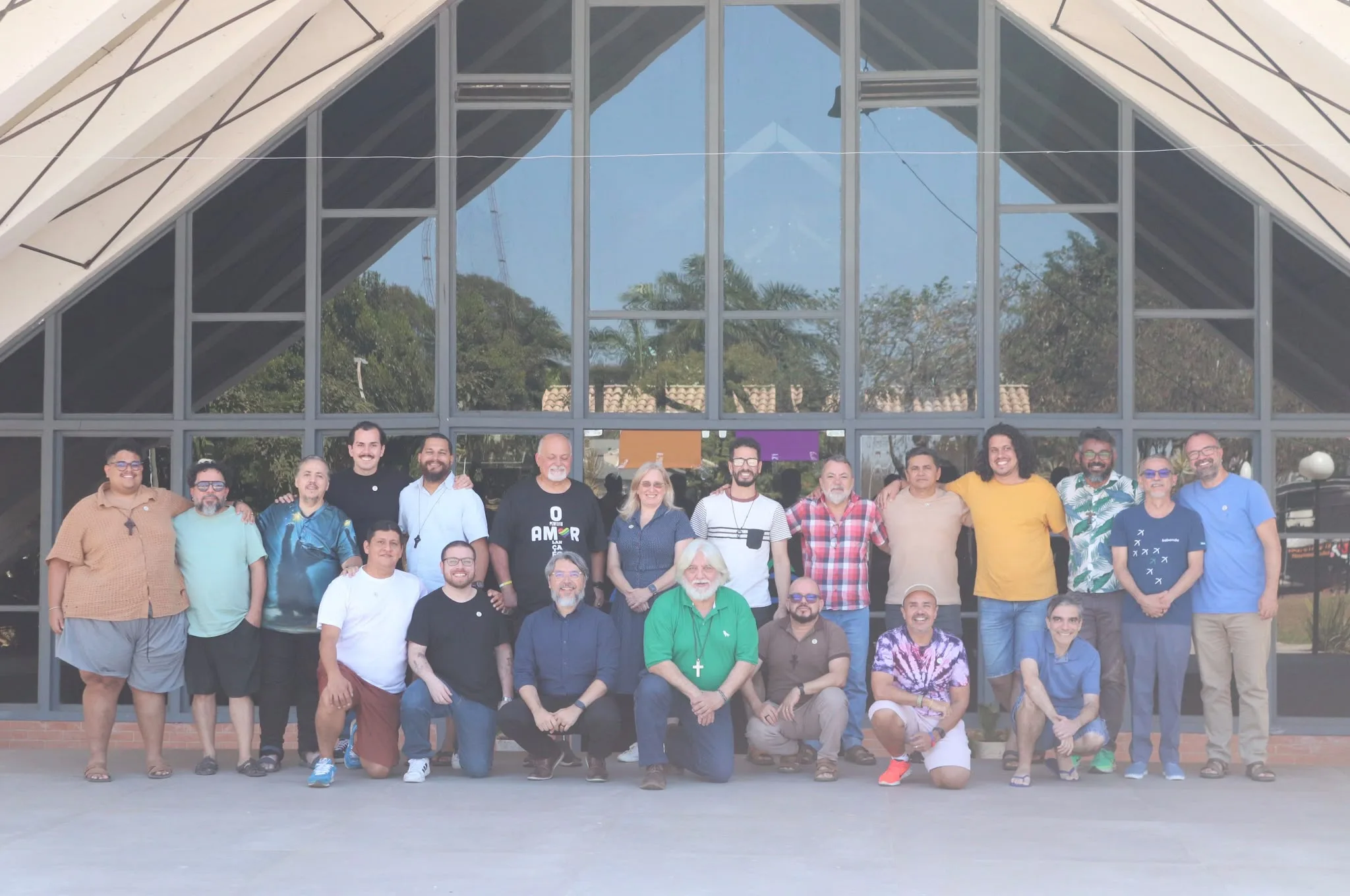
Directly addressing this issue, twenty-two men from across Brazil gathered at the Anglican Cathedral in Brasília from 5th-8th August 2026 for a pioneering workshop tackling toxic masculinity, misuse of power and gender-based violence.
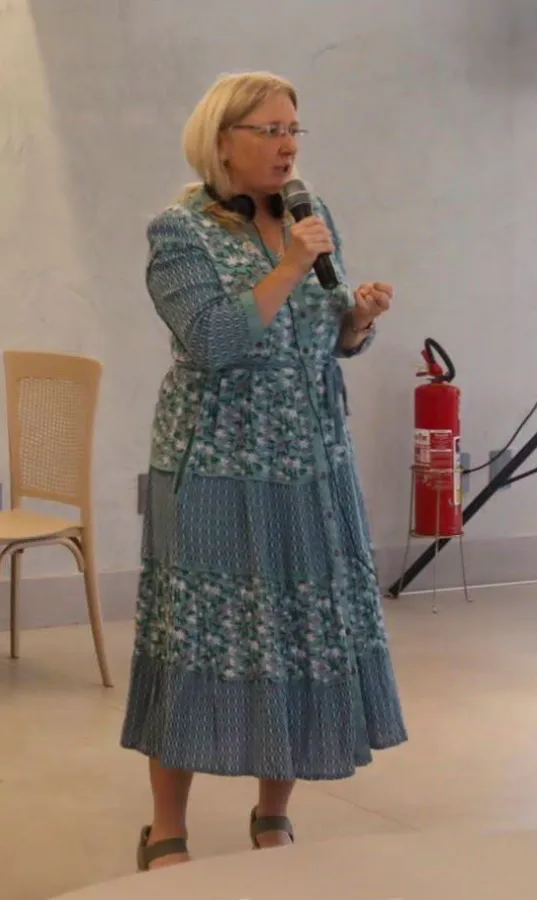 Convened by the Anglican Alliance, in partnership with USPG, Bishop Mauricio Andrade of Brasília and Bishop Humberto Gonçalves of the Meridional Diocese, the workshop grew out of an online men’s group, providing participants with the opportunity to experience a participatory approach to exploring masculinity within a machismo culture.
The course equipped participants with information, experiences and tools to enable them to reflect critically on the issue of power, masculinity, culture, gender and gender-based violence within the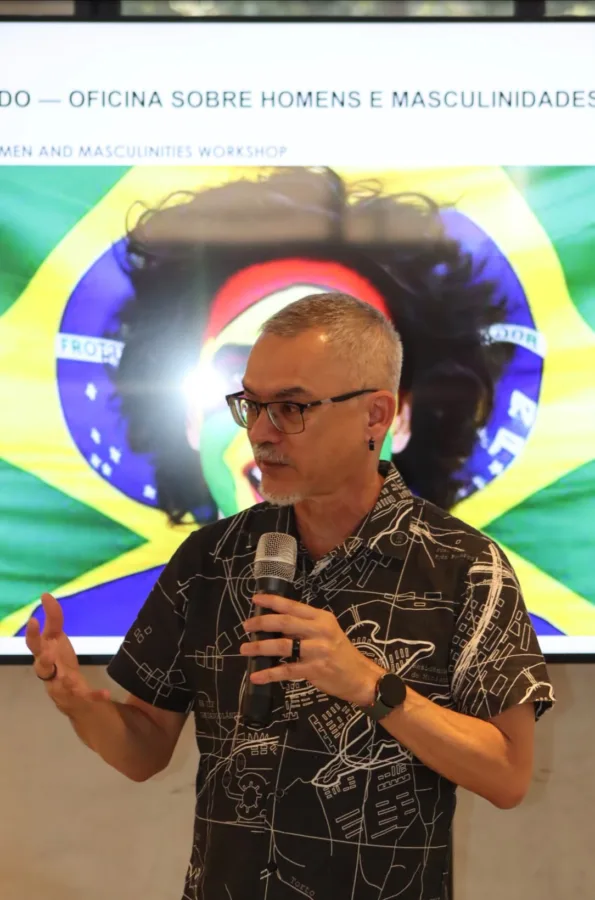 Christian context. Over four days, the men worked through definitions of gender, sex and gender-based violence; a theology of decolonialisation and of gender; the use and abuse of power; the influence of culture on masculinity; and the different forms gender-based violence can take, along with the myths which so often surround it.
This approach created a space for participants to learn together, reflect honestly about themselves and their individual experiences, and to map out tangible actions they will take to bring a critical reflection back into their own lives, churches and communities. The workshop was designed to move participants beyond listening and understanding; the men were asked to leave with something concrete, an action plan for themselves and their church.
The most powerful moment of the four days came during an open discussion about the barriers which stop men confronting harmful behaviour in each other – a sexist joke that gains laughter, the comment that no-one challenges. Talking honestly about why that silence happens, rather than simply naming it as wrong after the event, broke down a barrier. Several participants said the conversation forced them to see the culture around them differently, rather than as simply ‘the way things are.’
That shift was powerfully seen in one case in particular, a man who had openly described himself as sexist stood up in front of the group at the end of the course, apologised, and told the other participants how the workshop had changed him. He said,
“When I arrived and saw a woman facilitating, I thought ‘what has a woman got to say to me about being a man?’ It was a machismo response, but going through the week and the methodology used and participatory exercises and information has made me reflect that I was sexist. I have changed during this week. Thank you for being here and I’m sorry for my sexism”
The workshop is part of the wider efforts of Anglican churches and agencies across the Communion to engage men directly in gender justice, rather than seeing it as a women’s issue. Multiple Anglican Consultative resolutions have called for the direct engagement of men and boys in the response to gender inequality, echoing the Fourth Mark of Mission’s call to challenge unjust structures of society, challenge violence of every kind and pursue peace and reconciliation. The pilot workshop in Brasília is one of the places where that vision has taken shape. 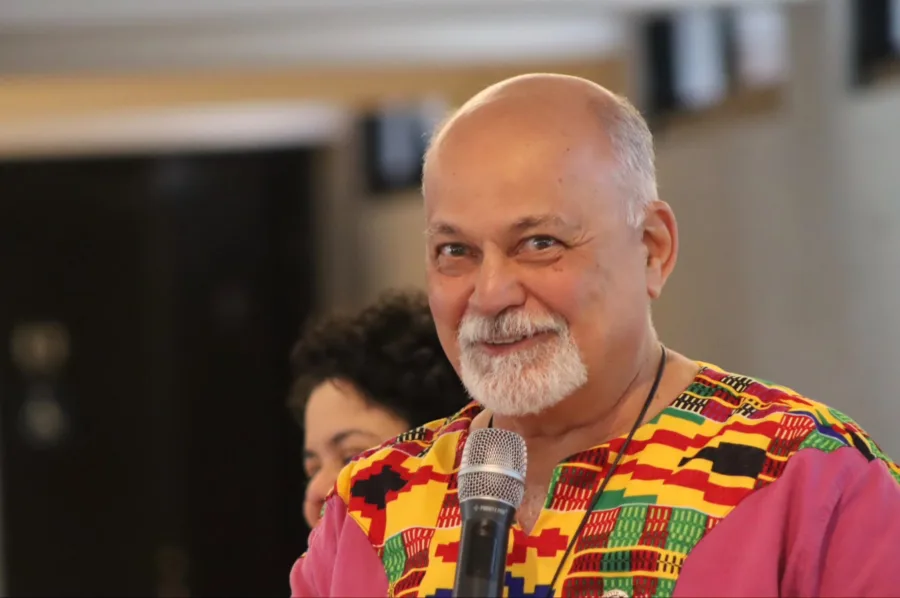
In cultures where masculinity is rarely questioned and gender-based violence is common and yet not discussed openly in churches, four days of honest reflection produced encouraging fruit. The work of the Anglican Alliance will continue to develop and grow in this area, with more workshops planned to follow, elsewhere in Brazil and beyond.
Gender justice is a core principle of the Anglican Alliance – to see women and men, girls and boys living in just, equal and mutually supportive relationships, with each individual recognised as made in the image of God.
Mandy Marshall leads on the Anglican Alliance’s work on gender justice. We work closely with the Anglican Communion networks for women and the family. We have co-created resources guiding churches in their response to gender justice and domestic abuse, run workshops exploring men and masculinity, and, each year, the Anglican Communion has a delegation at the United Nations Convention on the Status of Women, led by Mandy.
Further Resource: God’s Justice is a resource exploring theological perspectives on gender based violence and the role of the Church in addressing it: ‘God’s Justice: Theology and Gender Based Violence’
Support the Anglican Alliance’s vital gender justice work here: https://www.justgiving.com/campaign/gender-justice-anglican-alliance
