
Content trigger warning: This article discusses rape, sexual violence and some of their consequences.
Year after year, the 16 Days of Activism against Gender-Based Violence seem to come around ever more quickly. And each year, I find myself asking: do these 16 days really make a difference? Does the awareness raised translate into meaningful action and lasting change, or do we find ourselves having the same conversations, highlighting the same injustices and calling for the same action year after year?
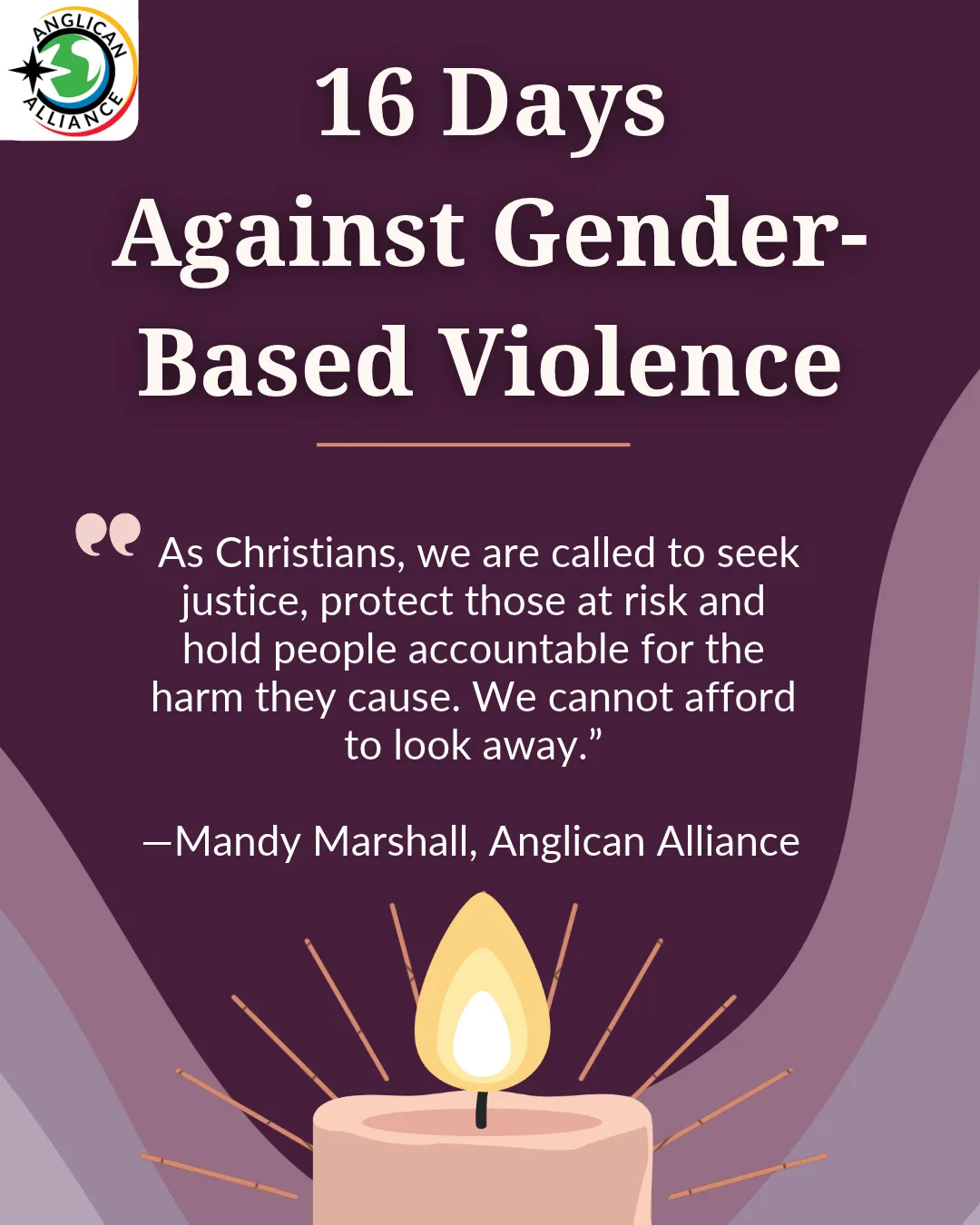
When women’s rights are being eroded in some countries, promises remain unfulfilled and funding for gender equality work is cut, it is easy to feel cynical. But as Christians, we are called to seek justice, protect those at risk and hold people accountable for the harm they cause. We cannot afford to look away.
In November 2026, a high-profile figure in the UK received a sentence of 10 years and six months after being convicted of rape and three sexual assaults. But for the survivors, their sentence is lifelong: their trauma does not end after 10 years and 6 months.
Rape is about power and control. It is about using sex as a weapon of that power.
There are many myths about rape. And they are just that, myths. What a woman was wearing, where she was, who she was with, whether she had been drinking alcohol or taken drugs, whether she fought back do not make them responsible for another person’s actions. Responsibility lies with the perpetrator. Nor should we accept the idea that men simply cannot control themselves. Yes, they can and do. We do a disservice to men to suggest they can’t. Most men do not commit rape. Sexual violence is a choice – a choice to abuse power and violate another human being.
The consequences of rape are many and varied, affecting every part of a survivor’s life. There may be physical injuries, including genital wounds and tears, bruises, broken bones and haemorrhaging; pregnancy or fear of pregnancy, miscarriage or abortion; sexually transmitted infections, including HIV, and the consequences of taking antiretroviral medication. There may be the fear of having been strangled, stabbed or killed. Survivors may experience shame, stigma, anxiety, depression, loss of appetite or weight gain, fear of going out, or difficulties trusting others. There may be medical costs, loss of income through time off work, the need for medication and its possible side effects, or long-term counselling and psychotherapy. For people of faith, there may be deeply painful questions about where God was in all of this.
And then there are the consequences of speaking out. The fear of reporting the rape to the police, of having to relive the trauma repeatedly as every detail is questioned. The fear of going to court, of not being believed, of being blamed or publicly shamed. The questions: Why were you there? What were you wearing? Why didn’t you fight back or scream? The fear of the perpetrator being released and targeting you again. The loss of confidence that may make returning to work feel impossible. Stepping down from committees, boards or church groups, or worse, being asked to step down because others blame you for what happened. The fear of losing family and friends, of being rejected by those you most need to support you. And the list goes on. These are not simply consequences of a single act of violence; they can affect every aspect of a survivor’s life, sometimes for years to come.
Take a breath.
Breathe.
It’s a lot to take in. We may never have thought about the ongoing consequences of rape beyond the crime itself.
This is why the 16 Days of Activism matter… why we need to continue to shine a light on gender based violence and the impact it has on our societies… why we need education, awareness and long-term sustainable funding for gender justice.
The 2026 theme – “UNITE to End Violence Against Women and Girls: Ensure justice, protect survivors, end impunity” – reminds us that awareness alone is not enough. We need action. So…
What can we do?
- Examine our assumptions. Challenge myths about rape and consider whether our words or attitudes place blame on survivors. Ask ourselves what following Jesus requires of us.
- Learn and speak up. Educate yourself about gender-based violence and ask elected representatives what they are doing to prevent it, protect survivors and improve access to justice.
- Stand alongside women and survivors. Be an ally. Listen without judgement, respect survivors’ choices and support those advocating for safety and change.
- Challenge sexism and abuse. Speak out against harmful attitudes and online harassment. Don’t ignore it or leave it for women to challenge. Step up and challenge the abuse and sexism.
- Support the work. Give time, resources or financial support to organisations working to prevent and end gender-based violence, including the Anglican Alliance’s gender justice work.
The campaign lasts 16 days. Our commitment must last far longer. Whatever role we can play, let us act—because justice, protection and accountability require more than words.