
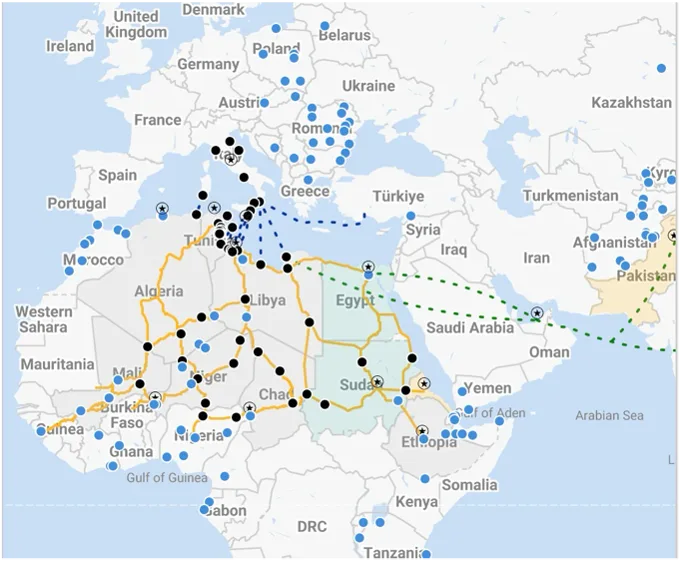
What if churches along the world’s major mixed movements routes could work together to provide more connected support for refugees and migrants as they cross borders? A new Anglican–UNHCR collaboration is exploring just that – combining the Church’s deep local presence with UNHCR’s expertise to strengthen protection, support and hope for people on the move.
On 22nd July 2026, the Anglican Alliance and Anglican Communion UN representatives partnered with the United Nations High Commission for Refugees (UNHCR) for a workshop on route-based church collaboration for refugees and migrants. Representatives from regional UN offices and Anglican agencies gathered online from across the world to share current efforts and discuss areas for future collaboration.
The Anglican Alliance, Anglican Communion UN office and UNHCR are excited to collaborate in the development of a Routes-Based Approach to support migration, initiated by UNHCR in 2024. With identified routes spanning Europe, Africa, and Asia, the aim is to provide a continuity of response across land and sea borders to increase effectiveness and speed of intervention – the Church is well placed to support capacity of response due to the continuous local presence across each region, and the stable grounding of a mission to help those in need in each community.
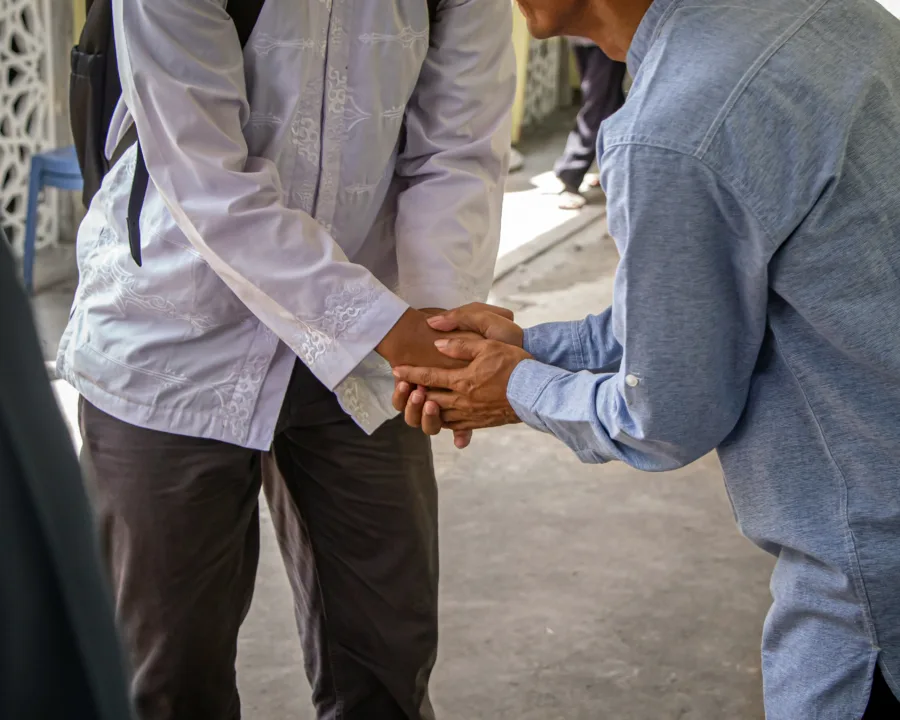 Within the focus route of this session, the Central Mediterranean Route, the Church provides not only a grassroots response at the local, congregational level in all countries of origin, transit and destination, but also a broader umbrella structure through professional faith-based actors in the A Connected Response for People on the Move NGO sector. This ensures that rapid responses to provide shelter, food, medical and psychological care are provided simultaneously with long term support in legal aid, education, and employment support – meaning lives are not just protected but rebuilt. This is vital in areas of protection risk such as trafficking, exploitation and gender-based violence.
Amy Bishop, Programme Officer for People on the Move at the Anglican Alliance, commented that “Churches have a vital role to play supporting refugees on the ground in local communities. It was really encouraging to see so many different ideas for how churches and UNHCR can collaborate across the route” and all partners left encouraged by the current collaboration both within the existing connections, and new, bilateral connections which were established within the workshop.”
Existing collaboration between the faith-based sector and the UNHCR in this area is extensive: UNHCR and Anglican/Episcopal faith actors – including the Anglican Alliance, as well as the Convocation of Episcopal Churches in Europe and their local ministries such as Rome’s Joel Nafuma Refugee Centre – collaborate through a mix of leadership-level advisory bodies, such as the UNHCR’s Multi-Religious Council of Leaders, global forums such as the UN Global Refugee Forum, and joint knowledge-sharing events, pairing UNHCR’s global data and policy expertise with churches’ on-the-ground experience serving refugees.
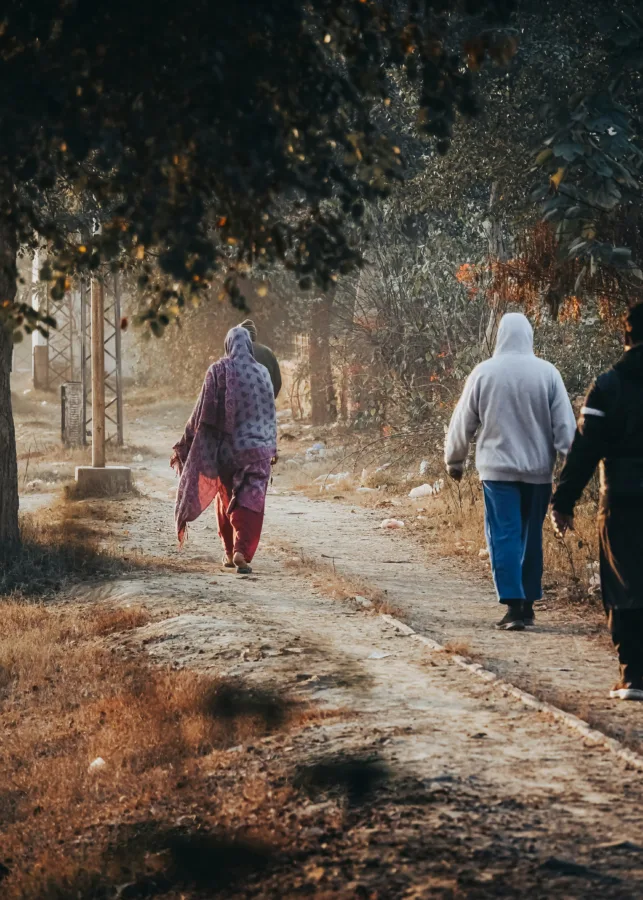 The Anglican Communion and UNHCR are excited to continue exploring this collaboration, in order to provide a more structured and synthesised response, increasing capacity and efficacy of support for all people on the move.
The workshop provided opportunities for fruitful discussion of key areas for increased collaboration, such as provision of refugee response training opportunities for local churches, information sharing on provided services to improve referral pathways, and increasing capacity for advocacy to challenge migration narratives through both community action and leadership direction.
Further commitment to continue to build the Anglican-UNHCR collaboration was emphasised, both through current, wide-scale connection, as well as the development of individual collaboration in key regions and focus areas.
Download our new guide for churches on welcoming people on the move.
