
Faith in a Time of Ebola: Churches Responding to the Outbreak in DR Congo
Download the Resource
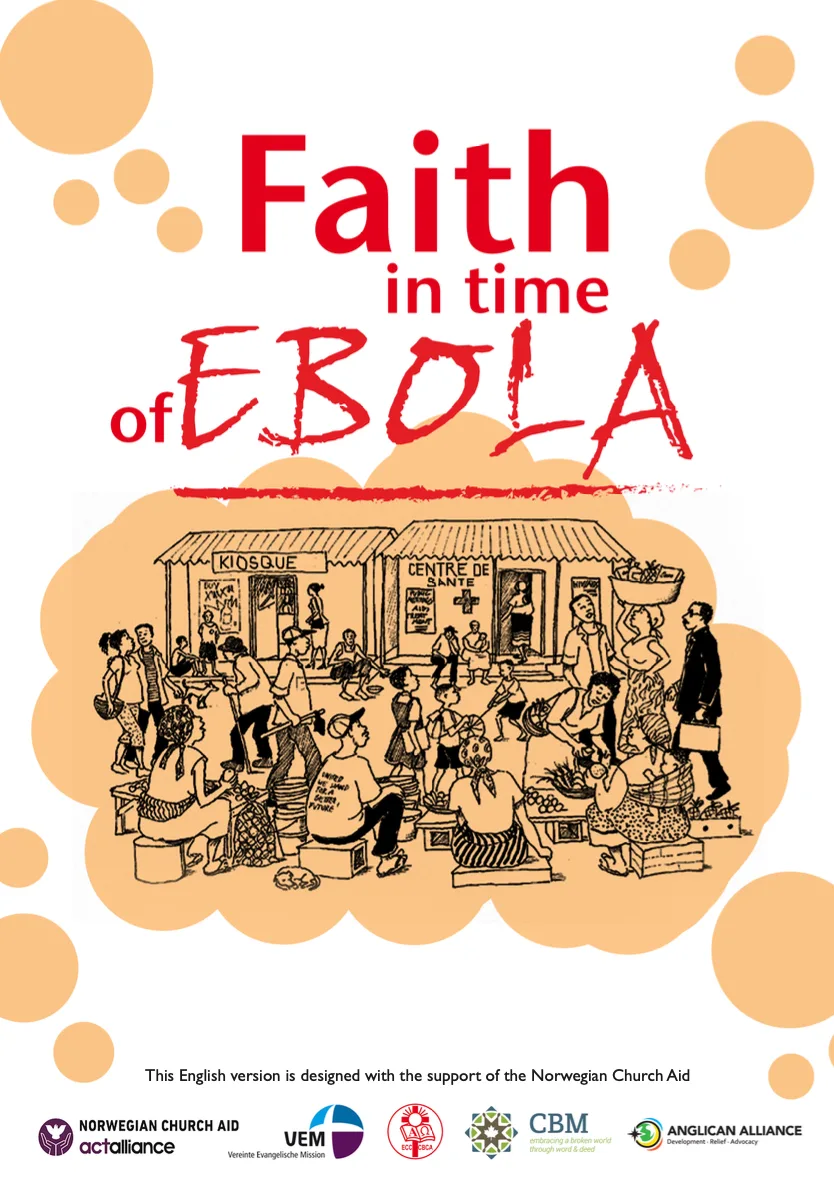
Faith in a Time of Ebola is available free of charge for churches, dioceses and faith networks to use in their communities.
We encourage church leaders, health ministries, women’s groups, youth groups and congregations to use this resource to help protect their communities and demonstrate Christ’s love in a time of fear and uncertainty.
What’s Happening?
The Democratic Republic of Congo (DRC) is once again facing an outbreak of Ebola. While health authorities are leading the medical response, experience from previous outbreaks has shown that churches and faith leaders have a vital role to play in helping communities stay safe.
Churches are often among the most trusted institutions in a community. They can help people access accurate information, challenge rumours and misinformation, encourage early treatment, and support those affected by illness without stigma or discrimination.
A Resource for Churches
Faith in a Time of Ebola is a practical, Bible-based resource developed by Professor Isaac Muyonga of the Baptist Community in Central Africa (CBCA) and Bishop Michael Beasley, an epidemiologist, Co-Convener of the Anglican Health and Community Network, and Vice-Chair of the Anglican Alliance.
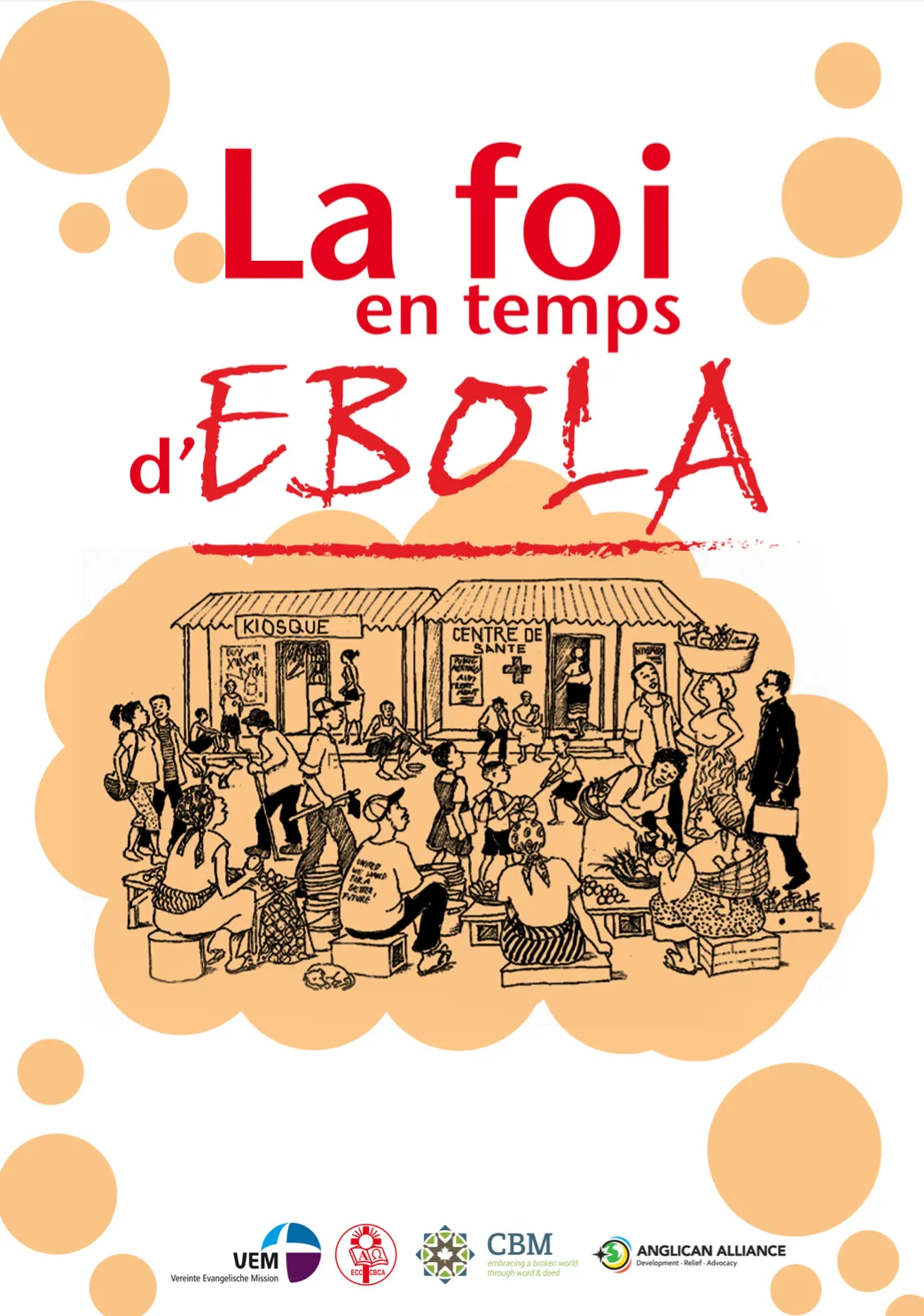
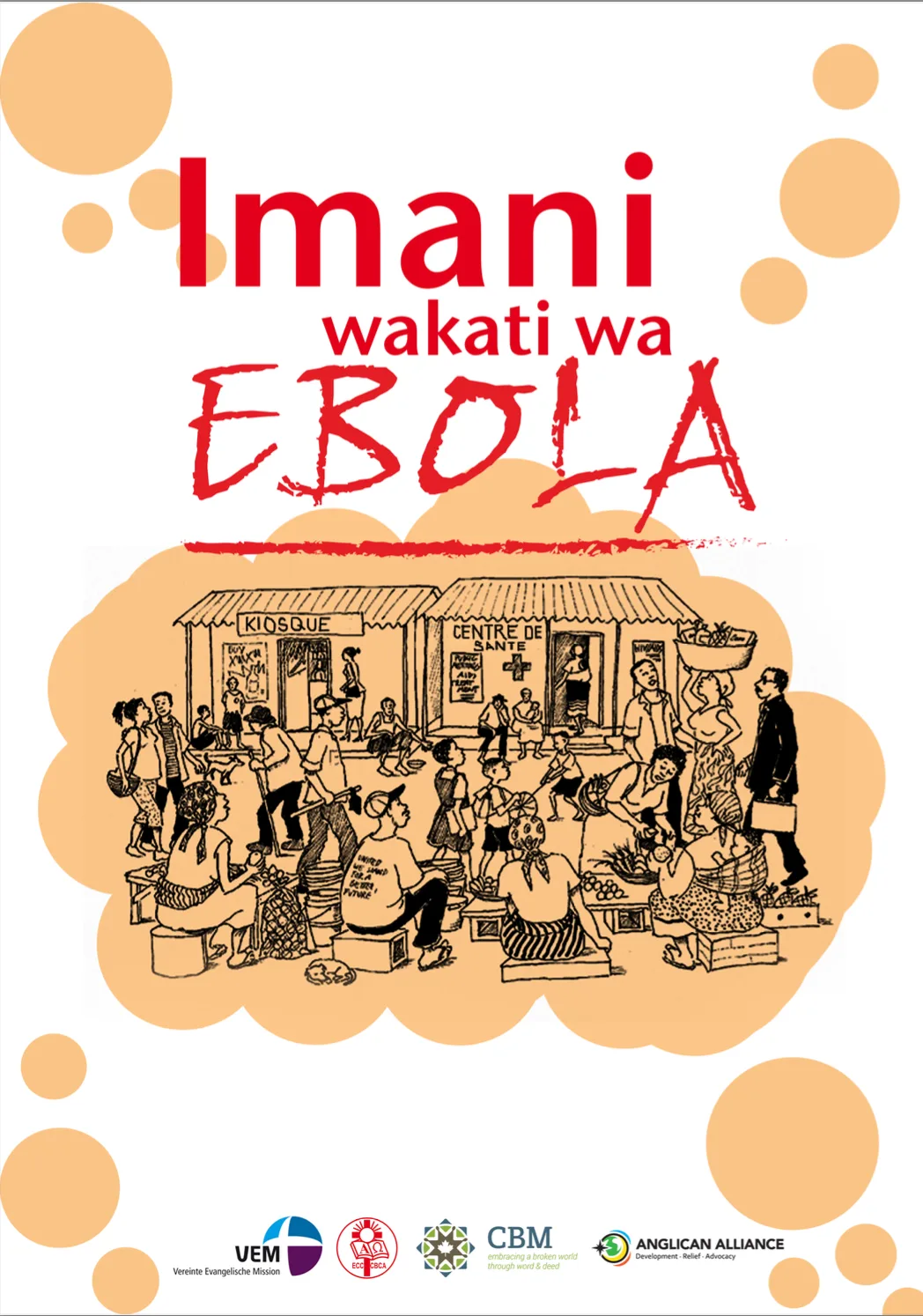
The resource was originally developed during the 2018–2020 Ebola outbreak in eastern DRC and shaped through consultation with church leaders from across the country. It combines clear public health information with theological reflection, helping churches address not only the medical realities of Ebola but also the fear, mistrust and stigma that can accompany an outbreak. The resource is available in English, French and Swahili.
Drawing on lessons from both the DRC and the West Africa Ebola epidemic, the resource reflects the Anglican Communion’s commitment to strengthening faith-based health responses and recognises the unique role churches play in promoting community health, resilience and wellbeing.
Why Churches Matter
The experience of previous Ebola outbreaks demonstrated that faith communities can be critical partners in containing the spread of the disease. During the West Africa epidemic, faith leaders helped communities understand prevention measures, encouraged people to seek treatment, and worked with health authorities to develop safe and dignified approaches to caring for the sick and burying the dead.
Churches are uniquely placed to:
- Share trusted, accurate information about Ebola.
- Encourage people with symptoms to seek medical help promptly.
- Support survivors and affected families, challenging stigma and exclusion.
- Work alongside health authorities to promote safe practices.
- Offer spiritual, emotional and practical support to communities facing uncertainty.
As Archbishop Justin Welby said during a visit to DRC in 2019:
“Love those who have been sick and their families, accept them, tell them that they are welcome.”
What Churches Can Do
- Share accurate information about Ebola and available treatment.
- Encourage people with symptoms to seek medical care early.
- Promote handwashing and other infection prevention measures.
- Support those in quarantine and their families.
- Welcome survivors and challenge stigma.
- Work with health authorities to promote safe and dignified care and burial practices.
- Pray for those affected and provide pastoral support.
