
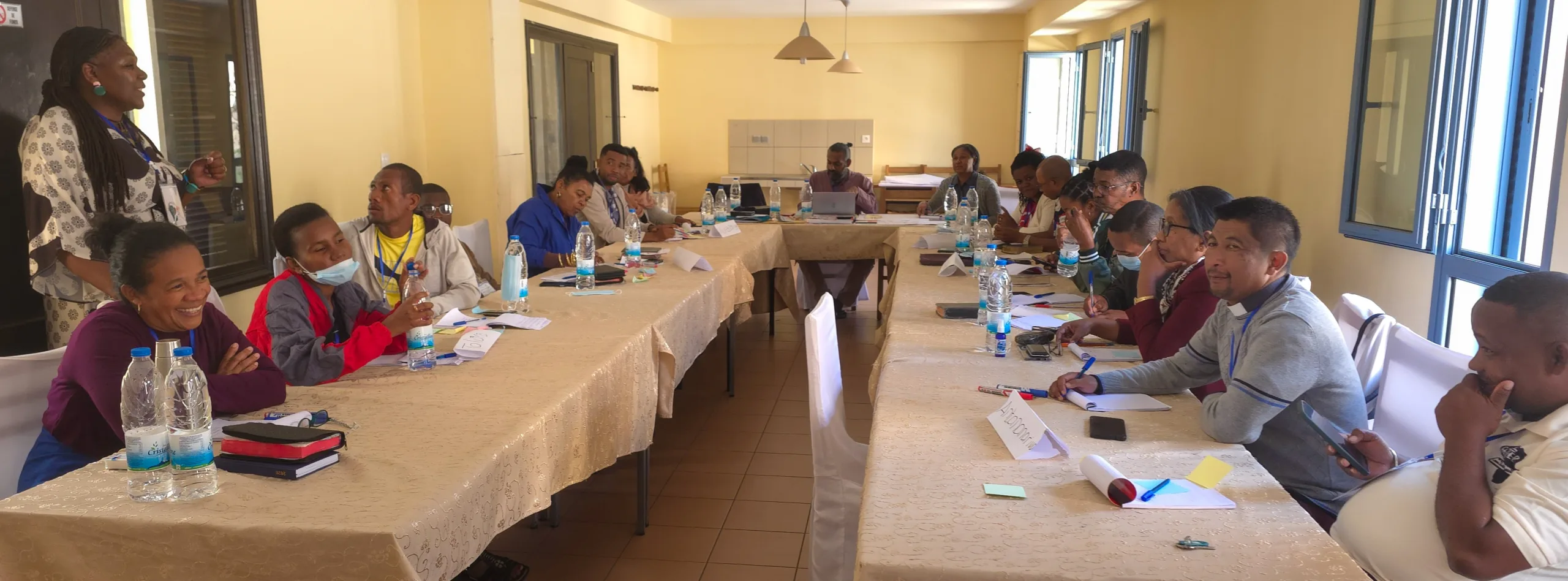
“We want to be just as busy before the cyclone instead of only being busy after the cyclone,” said Voloniaina Yan-Mi, a youth coordinator, reflecting on the importance of disaster preparedness.
Yan-Mi is one of 18 representatives from dioceses across the Eklesia Episkopaly Malagasy (EEM, or Anglican Church in Madagascar) who have been actively participating in a Partners in Resilience and Response (PiRR) workshop in Antananarivo, Madagascar this week.
The workshop was organized at the invitation of the local church following a series of tropical cyclones, floods, prolonged droughts and other adverse weather events that have devastated many parts of the country in recent years. In response, the church is seeking more proactive and effective ways to support affected communities before, during and after disasters.
Partners in Resilience and Response, a capacity-strengthening initiative of the Anglican Alliance and Episcopal Relief & Development, envisions a future where every Anglican church is equipped to prepare for and respond effectively to emergencies. Launched in 2019, the initiative includes the Resilience Course, the Community of Practice and South-to-South Learning Accompaniments.
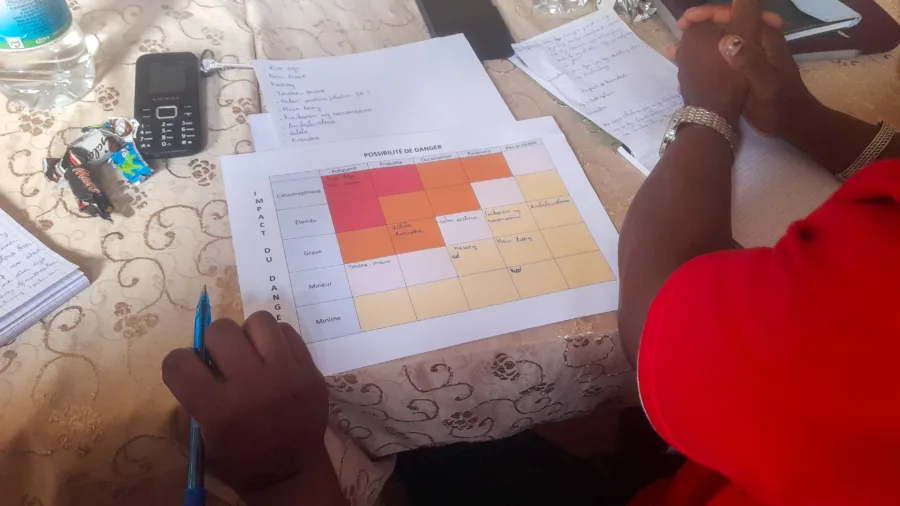 In Madagascar, the PiRR Accompaniment began with online engagement in late 2025 and has worked closely with EEM to support church leaders in discerning an appropriate and realistic vision for disaster resilience, response and recovery. The current workshop is an important part of this shared learning journey. Participants are exchanging experiences, exploring best practices and developing practical work plans that build on existing strengths while remaining relevant to the local context.
“We are excited to develop sustainable and realistic plans so that we can achieve our objectives and measure success,” said Norosoa Raholiniaina, a Mothers’ Union representative attending the workshop.
A key priority for the church is establishing a practical disaster management structure. In the recent past, the absence of a cohesive national mechanism has made it difficult to coordinate effective responses at both diocesan and national levels. EEM has already taken important steps by appointing a disaster committee with responsibilities that include networking, safeguarding, psychosocial support, staff care and stakeholder communication.
The PiRR accompaniment will continue remotely over the coming months as the church strengthens its capacity and works towards becoming better equipped to respond to future emergencies.
The three-person PiRR Accompaniment team includes Shelter Mushipe (Program Officer at the Council of Anglican Provinces in Africa), Christine Benoit (a clergy member of the Diocese of Seychelles and a long-time PiRR change agent) and Nagulan Nesiah (Senior Program Officer at Episcopal Relief & Development).
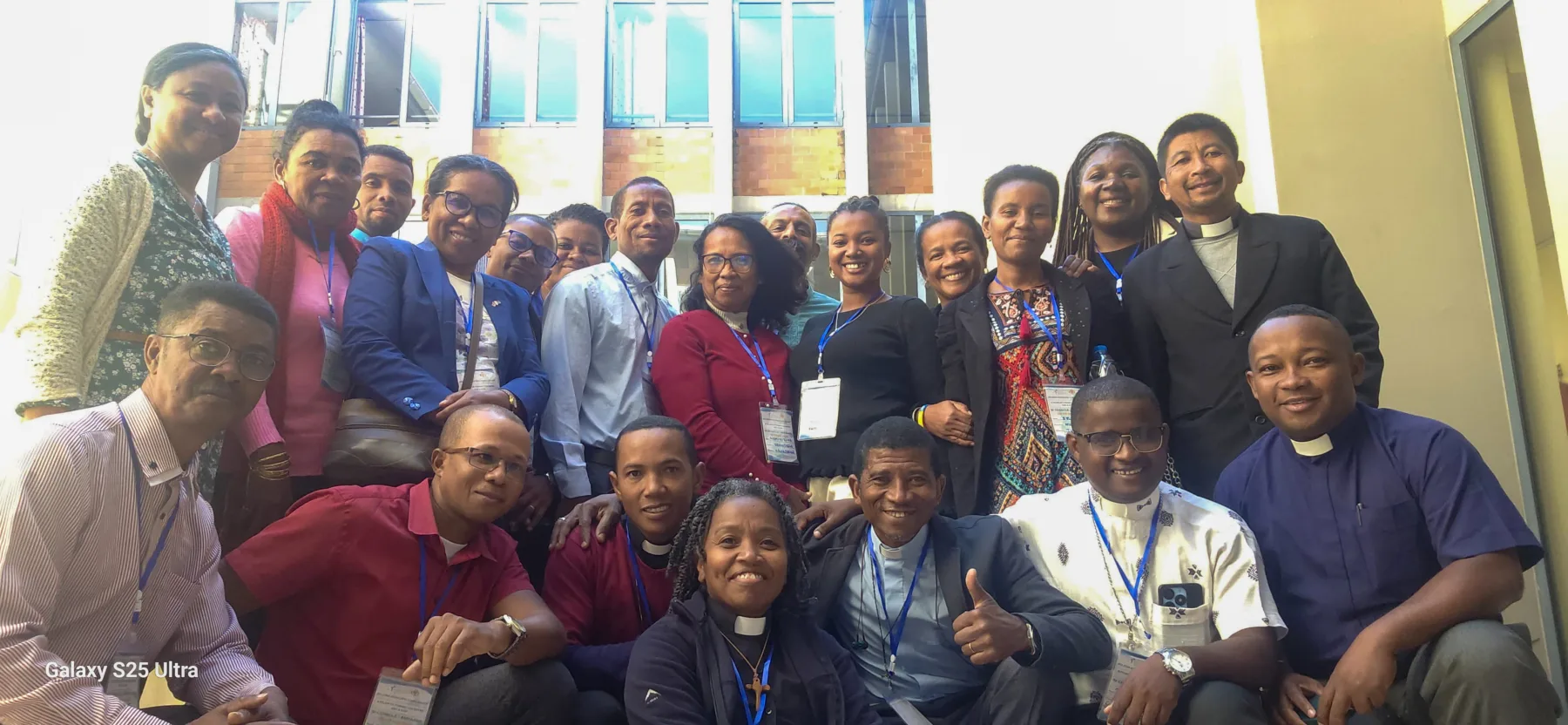
“Our struggle is the difficulty in sensitizing both the church and community to prioritize preparedness,” said Randrianarisoa Solofoniaina. “Once we change the mindset around the importance of disaster resilience, anything is possible.”
Find out more about Partners in Resilience and Response here.
