
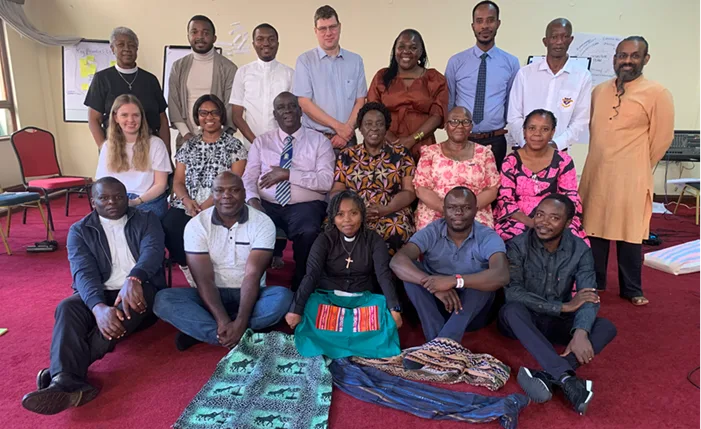
 As disasters intensify across the globe, churches in Africa are stepping forward with renewed commitment and strengthened collaboration. Gathering in Nairobi for a four-day regional workshop, the Africa Regional Steering Group of Partners in Resilience and Response came together to share wisdom, deepen relationships and envision how they can better equip communities before and after crises strike. The meeting became a space of energy and hope, as leaders explored new ways to build preparedness and resilience across the continent.
The Partners in Resilience and Response Africa Regional Steering Group recently gathered in Nairobi for a four-day workshop, hosted by the Anglican Alliance in partnership with Episcopal Relief & Development. The meeting brought together eighteen delegates, including representatives from nine Anglican provinces across Africa, to strengthen collaboration and disaster resilience efforts across the region.
Building on the first regional gathering held in Maputo in 2023, the workshop provided an opportunity to review progress over the past two years and to develop a new two-year workplan. The plan will enable the group to support churches across the region in preparing for and responding to disasters.
‘In all that we do, our goal is to help communities become more resilient in the face of disasters. Local churches are well placed to be able to meet the needs of their communities and respond in times of crisis.’ Florence Achapa, Kenya.
Nine new members were welcomed to the steering group, all of whom had recently completed the Africa Resilience Course and Accompaniers training. The group was also pleased to welcome Shelter Mushipe, the newly appointed Programme Officer for the Council of Anglican Provinces of Africa, who will play a key role in supporting disaster response initiatives across the region.
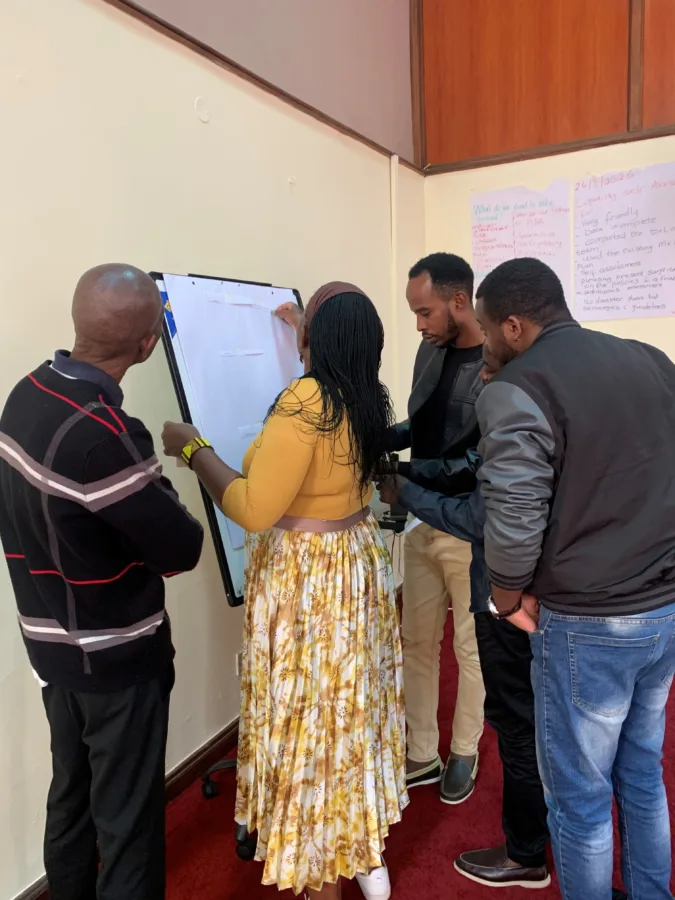
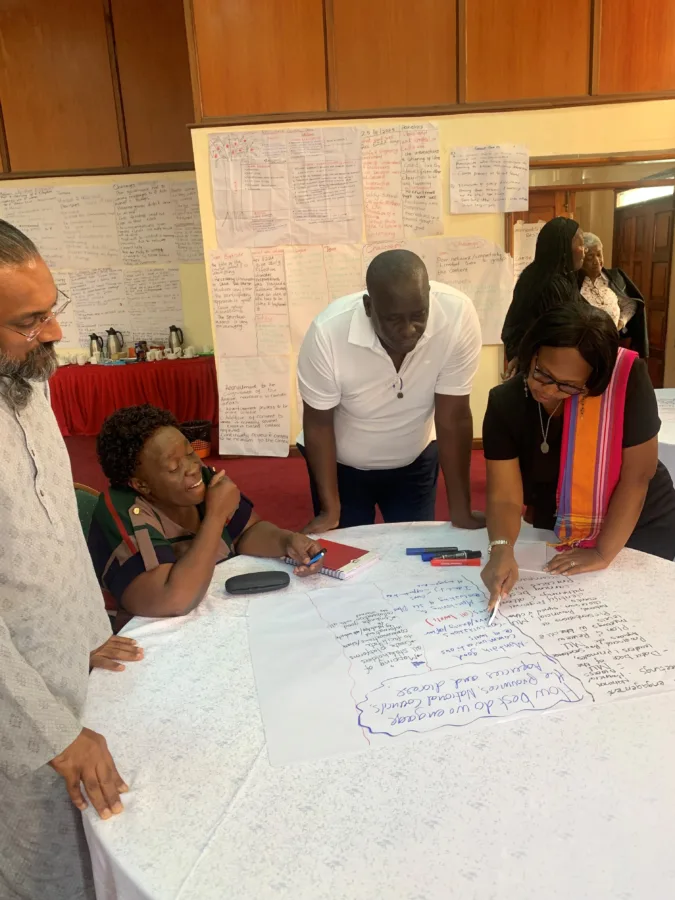
During the four days, participants engaged in panel discussions, small group work, feedback and reflection sessions. Key topics included diocesan capacity assessments, disaster preparedness planning, regional coordination, collaboration, partnership building and strategic work planning. The resulting workplan focuses on three core priorities: church engagement, regional coordination and capacity strengthening. Participants were assigned to work on implementing each of these areas based on their expertise and skills.
The group also benefited from cross-regional learning, as they were joined by Revd Glenda McQueen from the Latin America and Caribbean regional working group. Glenda shared insights from their regional work following the meeting in Panama last year, offering valuable comparisons and opportunities for shared learning.
‘As we see a rise in disasters globally, it is vital that we walk alongside the local church so that they are better equipped to respond. Bringing church representatives together in person strengthens relationships and fosters collaboration to achieve this goal.’ Nicholas Pande, Anglican Alliance Disaster Response and Resilience Lead.
 A vital part of the regional steering group work includes accompaniment, where trained individuals walk alongside a local church to provide support in preparing for and responding to disasters in order to build capacity and strengthen response. During a panel discussion, five people shared their experiences of both accompanying and being accompanied in Malawi, South Sudan and Zimbabwe. They reflected on the important role the initiative has played, for example, through accompanying the church in Malawi after Cyclone Freddy in 2023, an emergency preparedness plan was developed and training on preparedness held for the most impacted dioceses which strengthened their resilience against future disasters. The group explored ways to enhance the effectiveness of the accompaniment programme in the future.
The group was also able to reflect on the regional Resilience Course, completed earlier this year, which trained representatives from churches across Africa. The course was one of the key work areas planned at the previous meeting in Maputo and was facilitated by members of the regional steering group. It was encouraging to see progress made in strengthening capacity across the region through this initiative, and the group discussed how to build on this success in their new work plan.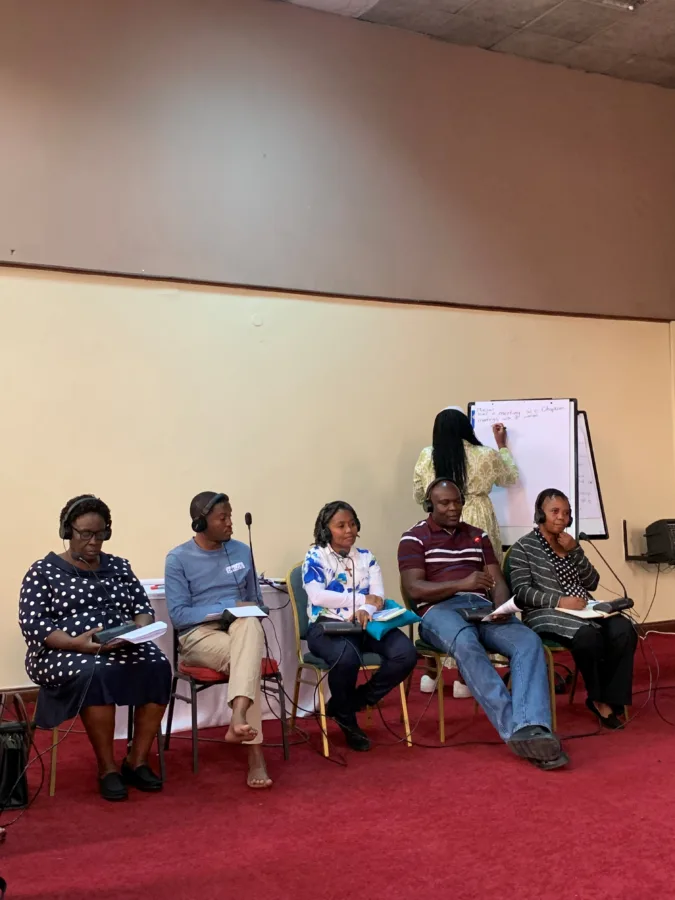
Moving forward, the global PIRR secretariat will continue to support the regional steering group in implementing the new workplan over the next two years. We look forward to seeing how the work progresses. Please continue to pray for the work across the Africa region and globally, and for all those impacted by disasters.
The Partners in Resilience and Response initiative – a partnership between the Anglican Alliance and Episcopal Relief & Development – equips churches across the Anglican Communion to build resilience against, and strengthen their capacity to respond to, disasters. You can read more about the initiative here: Partners in Resilience and Response – Anglican Alliance
